
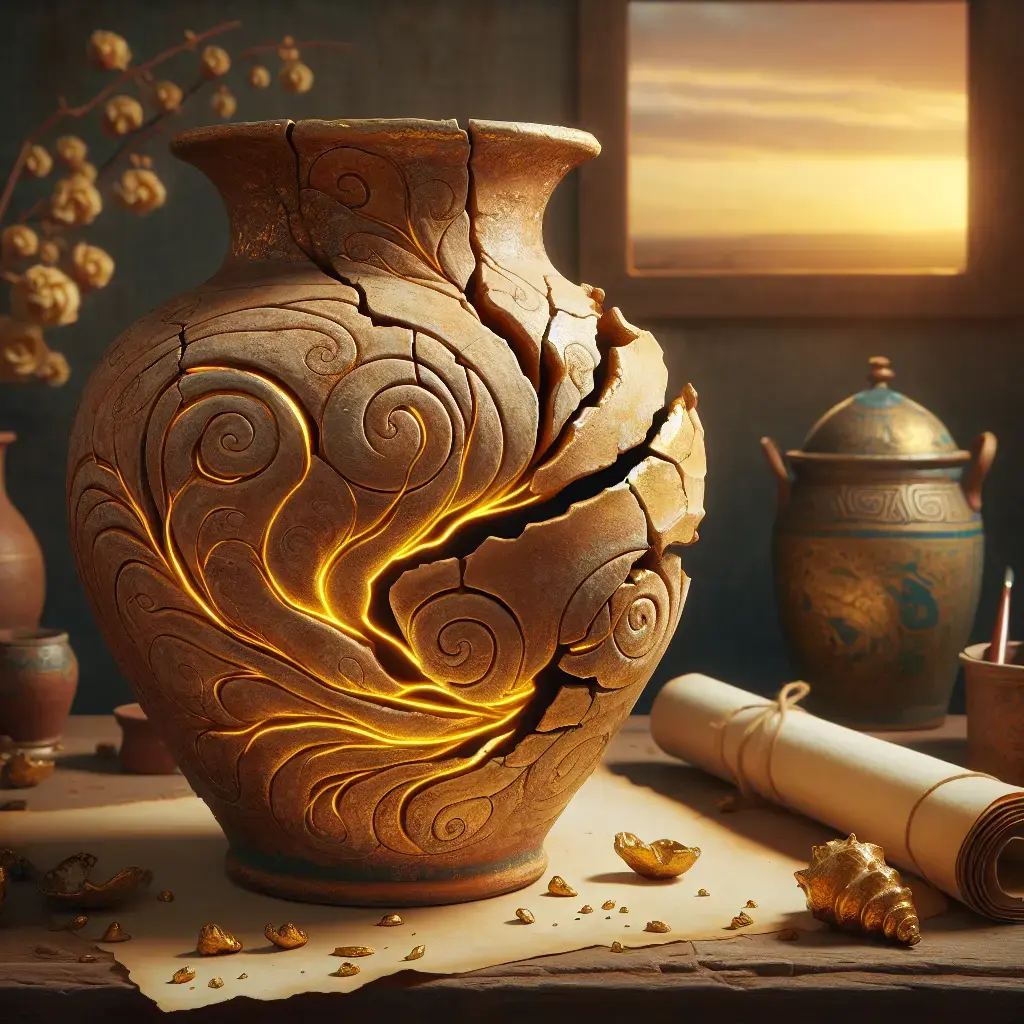
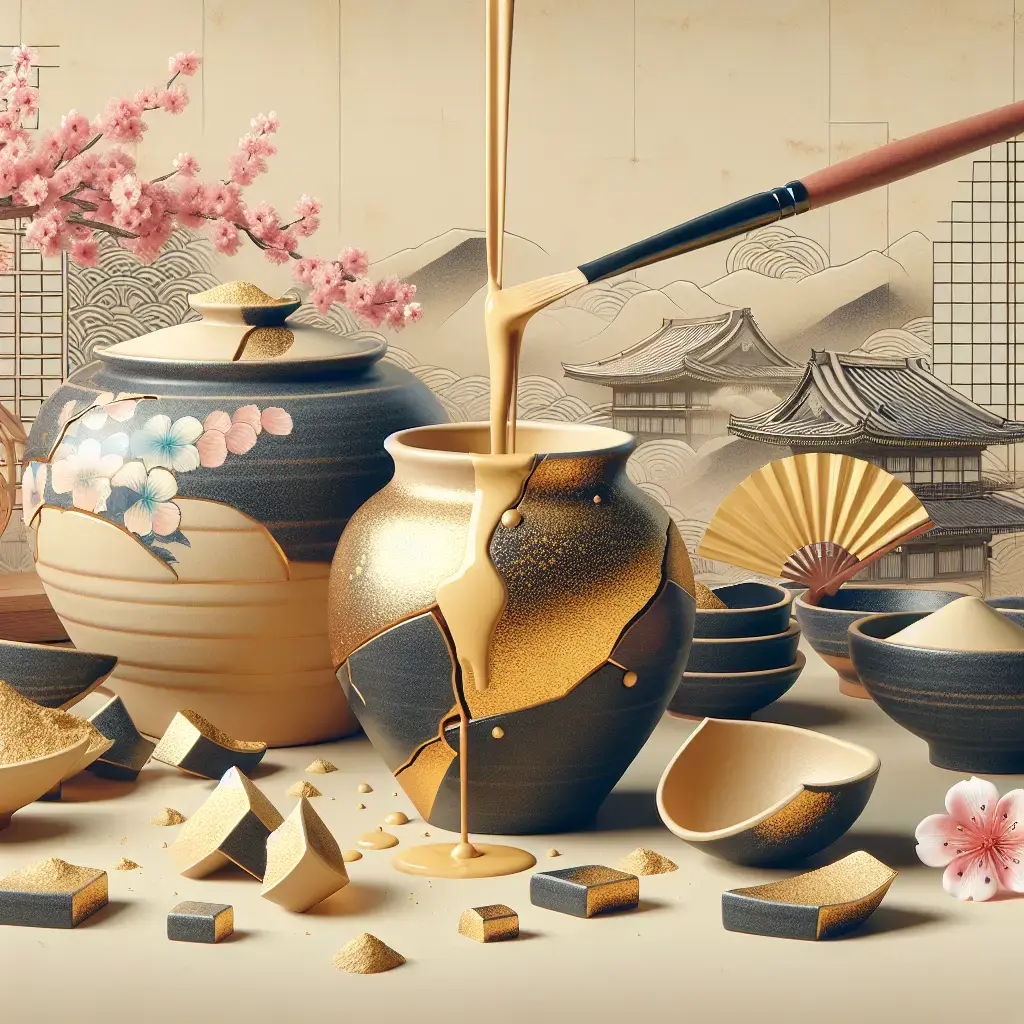
In the intricate tapestry of Japanese art and culture, Kintsugi stands out as a profound symbol of resilience and beauty. This traditional craftsmanship, characterized by its unique approach to pottery restoration, holds a significant place in Japanese history. Emerging during the 15th century, Kintsugi—literally translating to "gold joinery"—is more than just an art of repair; it is a celebration of imperfection and a testament to the enduring spirit of Japanese aesthetics.
Kintsugi's emergence during Japan's Muromachi period marked a significant shift in how broken pottery was perceived. Prior to its development, damaged ceramics were often discarded. However, the introduction of "gold joinery" transformed these items into treasured artifacts, each fracture filled with lacquer mixed with powdered gold. This practice highlighted the importance of wabi-sabi philosophy—an appreciation for the transient and imperfect aspects of life learn more.
The historical significance of Kintsugi is mirrored in how it challenged traditional notions of perfection. By celebrating flaws rather than concealing them, Kintsugi introduced a revolutionary perspective in Japanese aesthetics. This change not only impacted art but also influenced broader cultural values, emphasizing acceptance and adaptation.
At the heart of Kintsugi lies the wabi-sabi philosophy, which reveres the beauty found in the incomplete and impermanent. This mindset is intricately woven into Japanese culture, where mindfulness in art becomes a reflection of life's impermanence. Kintsugi techniques demand patience and precision, fostering a meditative practice that encourages artists to connect deeply with their work discover more.
Mindfulness in art transforms each restoration into a narrative of resilience. The act of repairing pottery symbolizes healing and renewal, offering a poignant reminder of human strength in the face of adversity. By integrating mindfulness, Kintsugi becomes more than an artistic endeavor; it is a testament to the enduring spirit embedded within Japanese tradition.
The Art of Repair: Techniques and Symbolism
Kintsugi techniques involve meticulous processes that require both skill and creativity. Artists carefully piece together broken ceramics, using urushi lacquer as an adhesive before applying gold powder. This process not only restores the functional integrity of the object but also enhances its aesthetic value explore further.
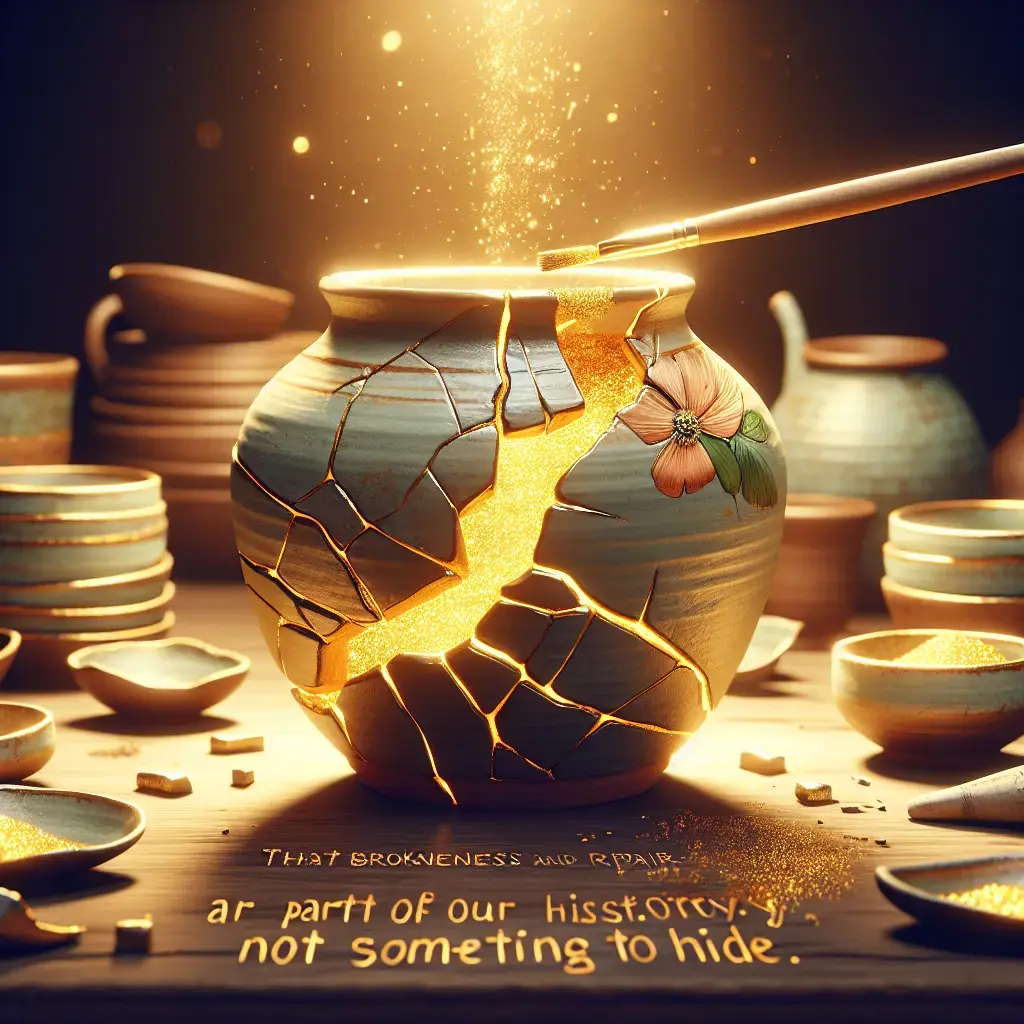
The symbolism in Kintsugi extends beyond its visual appeal, encapsulating themes of transformation and resilience. Each repaired item becomes a canvas that tells a story of survival and adaptation, embodying the essence of Japanese tradition. This narrative resonates deeply with individuals who view Kintsugi as a metaphor for personal growth—embracing change and finding beauty in life's imperfections.
In today's fast-paced world, Kintsugi continues to inspire both artists and collectors globally. Its principles have been adapted beyond pottery restoration, influencing diverse fields such as fashion, architecture, and even mental health practices. The philosophy behind Kintsugi encourages individuals to accept their flaws and view challenges as opportunities for growth read more.
Recent news highlights how Kintsugi-inspired designs are making their way into everyday products. For instance, stationery companies have embraced this philosophy by offering items that celebrate imperfection beauty—a trend evident in back-to-school stationery picks for high school and college students. These products remind students that mistakes are part of the learning process, echoing the resilience symbol found in Japanese ceramics learn about this trend.
Global Perspectives: Kintsugi's Influence Beyond Borders
Kintsugi's cultural heritage extends its reach far beyond Japan's borders, capturing international attention for its profound life philosophies. As more people recognize the value of embracing imperfections, Kintsugi serves as a bridge connecting diverse cultures through shared values of resilience and beauty.
Case studies reveal how museums worldwide are incorporating Kintsugi exhibitions to educate audiences about its historical significance. These displays offer insight into Japanese history while inviting viewers to reflect on their own journeys of healing and renewal find out more.
What can we learn from Kintsugi's enduring legacy? This art form teaches us that imperfections do not diminish value; instead, they enhance it by adding character and depth. By accepting flaws and embracing change, we open ourselves to new possibilities for growth and transformation.
Incorporating rhetorical questions can further engage readers: Have you ever considered how your own experiences mirror the gold seams of Kintsugi? How might embracing imperfection lead to personal growth? These reflections encourage individuals to apply Kintsugi's lessons to their own lives, fostering a mindset that values resilience and adaptability.
In conclusion, the cultural significance of Kintsugi in Japanese history and tradition remains as vibrant today as it was centuries ago. Through its unique blend of traditional craftsmanship and modern interpretations, Kintsugi continues to inspire a global audience by celebrating imperfection beauty and offering timeless lessons on resilience. As we navigate the complexities of contemporary life, this ancient practice reminds us that true beauty lies not in perfection but in our ability to adapt and thrive amidst challenges.


Leave a Comment