
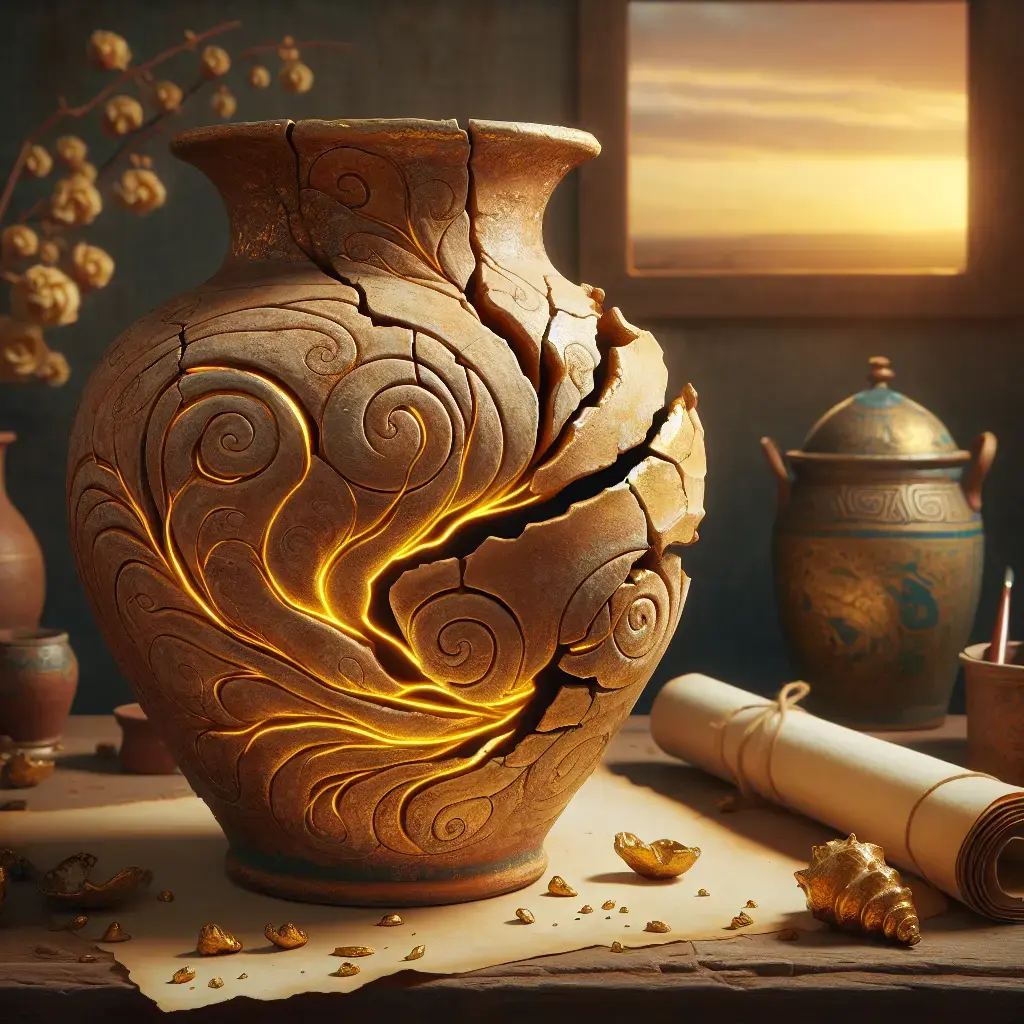
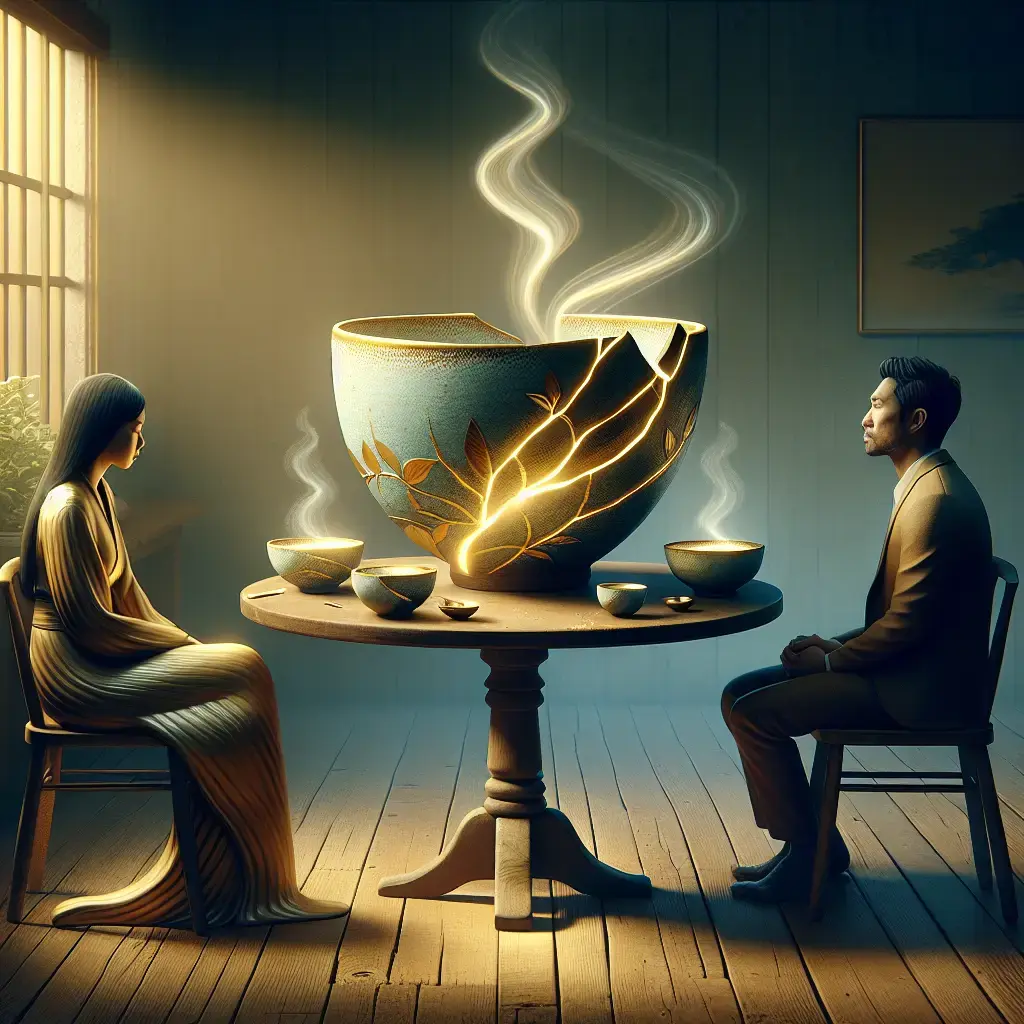
In an era where modern relationships face unprecedented challenges, the ancient Japanese art of Kintsugi offers a profound metaphor for healing and growth. Kintsugi, the Japanese art of repairing broken pottery with gold, highlights the beauty in imperfection and the strength found in restoration. This philosophy transcends its origins, offering invaluable insights into repairing relationships with Kintsugi-inspired techniques. By embracing the symbolism of Kintsugi in love, individuals can transform broken relationships into resilient bonds, celebrating flaws as integral parts of their shared journey.
The media influence on Kintsugi relationships has sparked a renaissance in how we view emotional repair. As we apply the Kintsugi philosophy in modern love, we learn that healing through Kintsugi is not about erasing scars but rather about highlighting them with golden wisdom. This mindset shift encourages couples to see challenges as opportunities for growth and to approach emotional healing with an open heart.
The art of Kintsugi in emotional healing reveals that just as each piece of pottery is unique, so too are the dynamics of every relationship. The symbolic healing in relationships through Kintsugi emphasizes that beauty lies in resilience. Modern relationships and Kintsugi are intertwined, teaching us that by embracing our flaws and learning from them, we pave the way for deeper connection and understanding.
As we delve further into the lessons from Kintsugi, we discover how this ancient art form can influence contemporary relationship therapy, offering new pathways to repair and renewal. With each golden seam, Kintsugi techniques for relationship repair illuminate the potential for growth within the cracks, setting the stage for a deeper exploration of this timeless art's impact on love and connection.
Kintsugi as a Symbol of Healing in Modern Relationships
The Philosophy of Kintsugi in Modern Relationships
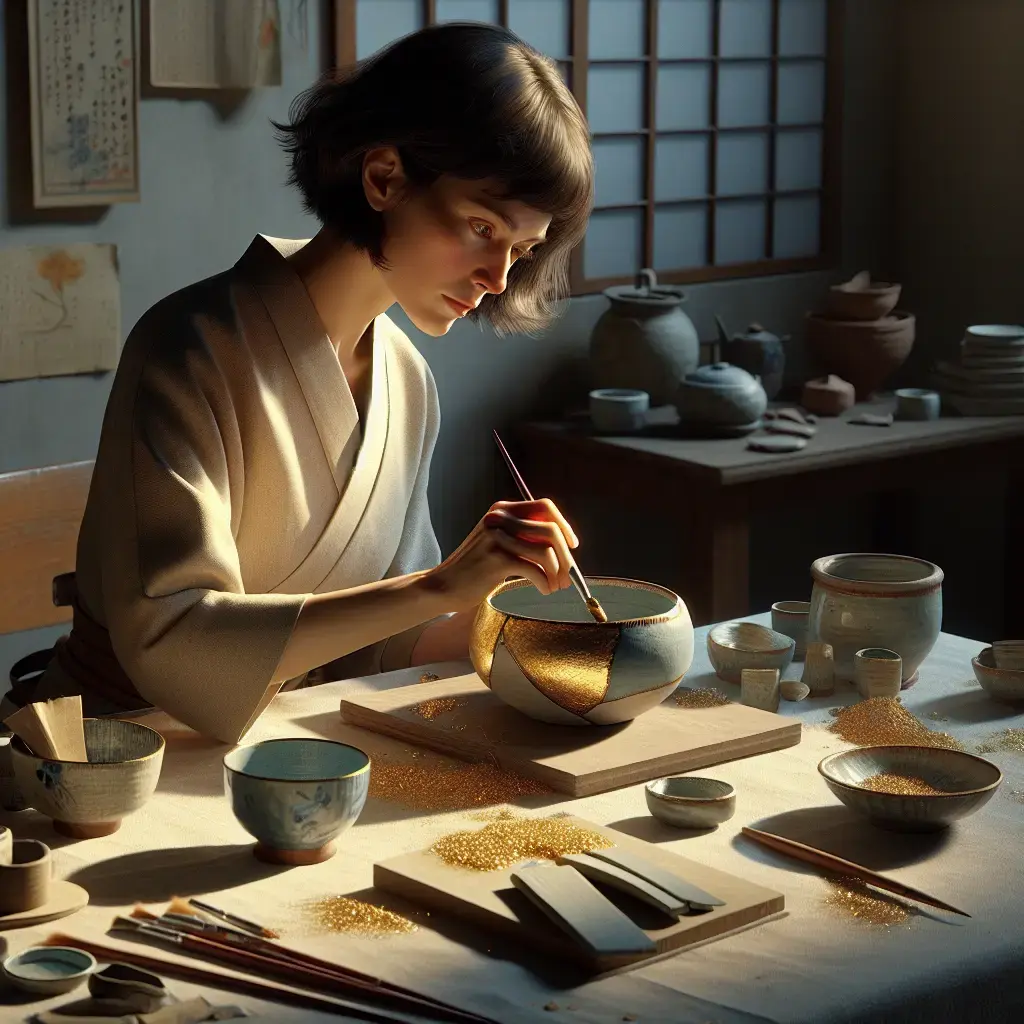
In today's fast-paced world, where relationships often face significant pressure and challenges, the ancient Japanese art of Kintsugi offers a unique perspective on healing and growth. This art form, which involves repairing broken pottery with gold or other precious metals, serves as a powerful metaphor for mending and strengthening emotional bonds. By examining the interplay between Kintsugi and relationships, we can discover valuable insights into healing through Kintsugi and how it can be applied to modern love.
The concept of Kintsugi is rooted in the belief that breakage and repair are part of an object's history, not something to disguise. In the context of relationships, this philosophy encourages us to embrace imperfections and view challenges as opportunities for growth. Rather than striving for perfection, Kintsugi symbolism in relationships celebrates resilience and the strength found in restoration. This mindset is increasingly relevant today, as societal pressures often push individuals towards unrealistic ideals of flawlessness.
For example, recent studies have shown that couples who openly discuss their past disagreements and work collaboratively to address them often develop stronger, more resilient bonds. This approach mirrors the Kintsugi philosophy in modern love, where the focus is on embracing flaws in relationships and using them as stepping stones for emotional repair through Kintsugi.
Media Influence on Kintsugi Relationships
Kintsugi Techniques in Relationship Therapy
In recent years, the media's portrayal of Kintsugi has significantly influenced how people perceive emotional healing and relationship repair. Documentaries and articles highlighting the art of Kintsugi in emotional healing have introduced this concept to a broader audience. Notably, a feature by The New York Times explored how therapists are integrating Kintsugi techniques for relationship repair into counseling sessions, encouraging couples to acknowledge and mend their relationship 'cracks' with patience and understanding The New York Times Article.
Moreover, social media platforms have played a crucial role in popularizing Kintsugi symbolism in relationships. Hashtags like #KintsugiLove and #RelationshipHealingThroughKintsugi have gained traction, with users sharing personal stories of transformation inspired by the Japanese art of repair in relationships. These narratives often highlight how embracing imperfections has led to deeper connections and understanding between partners.
Embracing Flaws: A Pathway to Deeper Connection
As the popularity of Kintsugi grows, therapists are increasingly adopting its principles to aid clients in navigating their relational challenges. The symbolic healing in relationships through Kintsugi encourages individuals to view conflicts not as threats but as integral components of their shared journey. This perspective shift can be profoundly liberating, allowing partners to break free from the cycle of blame and defensiveness.
A case study published in the Journal of Couple and Family Therapy demonstrated the efficacy of incorporating Kintsugi techniques into therapeutic practices. Couples who participated in Kintsugi-based interventions reported improved communication skills, greater empathy, and a renewed commitment to their relationship goals Journal of Couple and Family Therapy.
Relationship Lessons from Kintsugi
At the heart of Japanese Kintsugi art in love is the idea that imperfections should be celebrated rather than concealed. This notion challenges the conventional wisdom that advises couples to sweep their issues under the rug or maintain a façade of harmony. Instead, Kintsugi relationship therapy encourages partners to engage in honest dialogue about their vulnerabilities and fears.
Consider the example of John and Emily, a couple who had been struggling with communication issues for years. Through Kintsugi-inspired therapy, they learned to view their past arguments not as failures but as opportunities for growth. By highlighting these 'cracks' with 'golden wisdom,' they were able to cultivate a more authentic and fulfilling partnership.
The lessons derived from Kintsugi extend beyond individual partnerships, offering broader implications for societal views on love and connection. As more people adopt the principles of healing broken relationships with Kintsugi, there is potential for a cultural shift towards valuing transparency, resilience, and authenticity.
Conclusion: The Timeless Impact of Kintsugi on Modern Love
Resilience Over Perfection: By prioritizing resilience over perfection, individuals can foster a more compassionate and forgiving approach to relationships.
Open Communication: Encouraging open communication about past conflicts can lead to greater understanding and empathy between partners.
Celebrating Imperfections: Viewing flaws as integral parts of a relationship's history can strengthen bonds and increase emotional intimacy.
As we continue to explore the intersection of modern relationships and Kintsugi, it becomes clear that this ancient art offers profound insights into emotional repair through Kintsugi. By embracing its principles, individuals can transform their relationships into resilient bonds that celebrate imperfections as integral parts of their shared journey. As media influence on Kintsugi relationships continues to grow, we can expect this philosophy to inspire new approaches to love and connection in the years to come.
By examining case studies, engaging with media narratives, and incorporating these timeless lessons into relationship therapy, we can unlock the full potential of Kintsugi's impact on modern media and relationship growth. The journey towards healing through Kintsugi is one that invites us all to see beauty in brokenness and strength in restoration.
In conclusion, the ancient art of Kintsugi offers profound lessons for modern relationships, providing a unique lens through which we can view emotional healing and growth. By embracing the imperfections within relationships as opportunities for growth, couples can foster deeper connections and resilience. The media's portrayal of Kintsugi has broadened its influence, encouraging individuals to apply its principles to personal relationships. As therapists incorporate Kintsugi techniques into their practices, they report enhanced communication and empathy among couples. Here are the key takeaways:
Resilience Over Perfection: Embrace resilience and the strength in restoration, rather than striving for flawlessness.
Open Communication: Encourage open discussions about past conflicts to build understanding and empathy.
Celebrating Imperfections: Recognize and honor imperfections as integral parts of a relationship's history.
These principles invite us to see beauty in brokenness and strength in restoration, promising a cultural shift towards valuing transparency, resilience, and authenticity in love. As you reflect on the journey of healing through Kintsugi, consider how these timeless lessons can transform your relationships. We invite you to share your insights or experiences with Kintsugi-inspired relationship healing. How have you celebrated imperfections in your partnerships? Let’s continue this conversation and inspire each other to cultivate more authentic and resilient bonds.
Thank you for joining us on this exploration of Kintsugi's impact on modern love. Until next time, may you find beauty in the broken pieces and strength in your journey of restoration.

Leave a Comment