


In today's fast-paced world, the pursuit of perfection often overshadows the appreciation of individuality. The kintsugi philosophy offers a refreshing perspective by celebrating beauty in imperfection. Originating from the Japanese art of repair, kintsugi, meaning "golden joinery," not only transforms broken pottery but also provides profound life lessons applicable to various aspects of our daily lives. This section delves into how embracing imperfection through kintsugi can inspire resilience, personal growth, and healing.
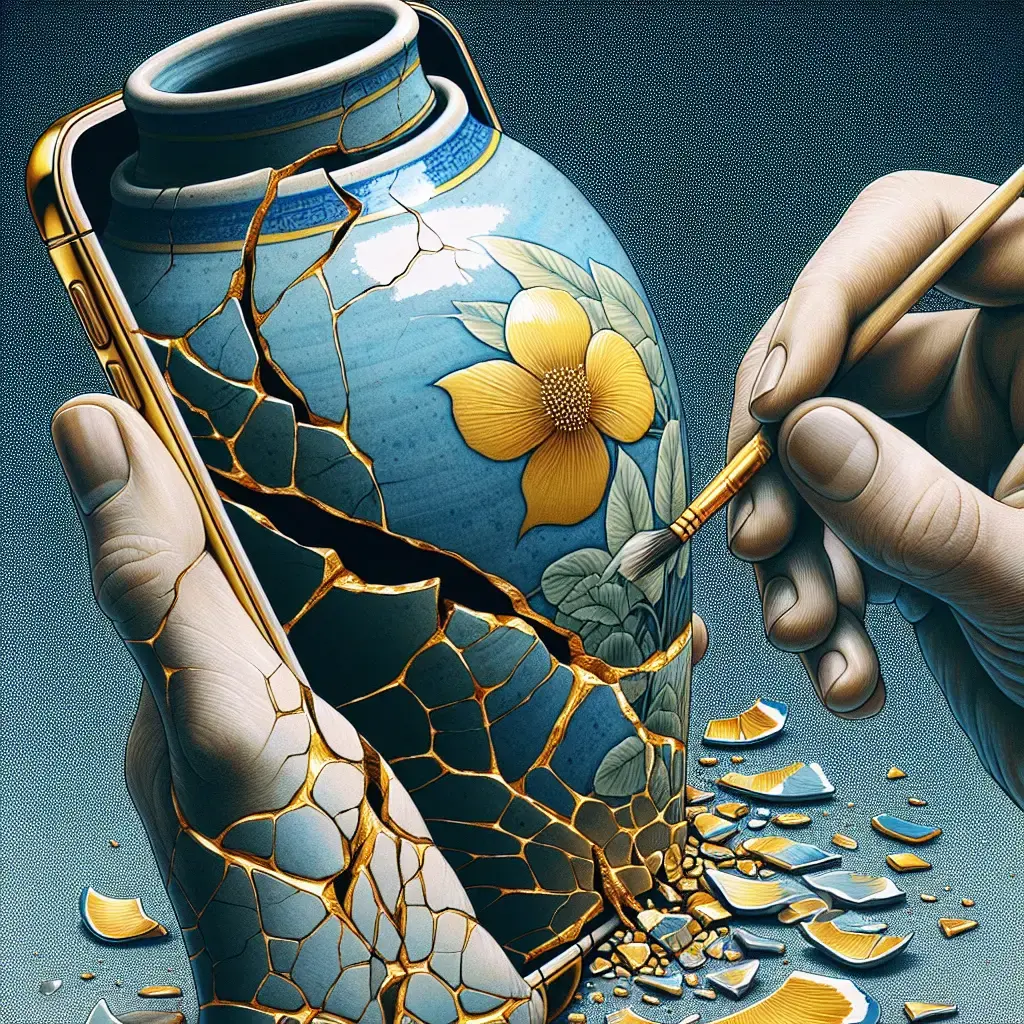
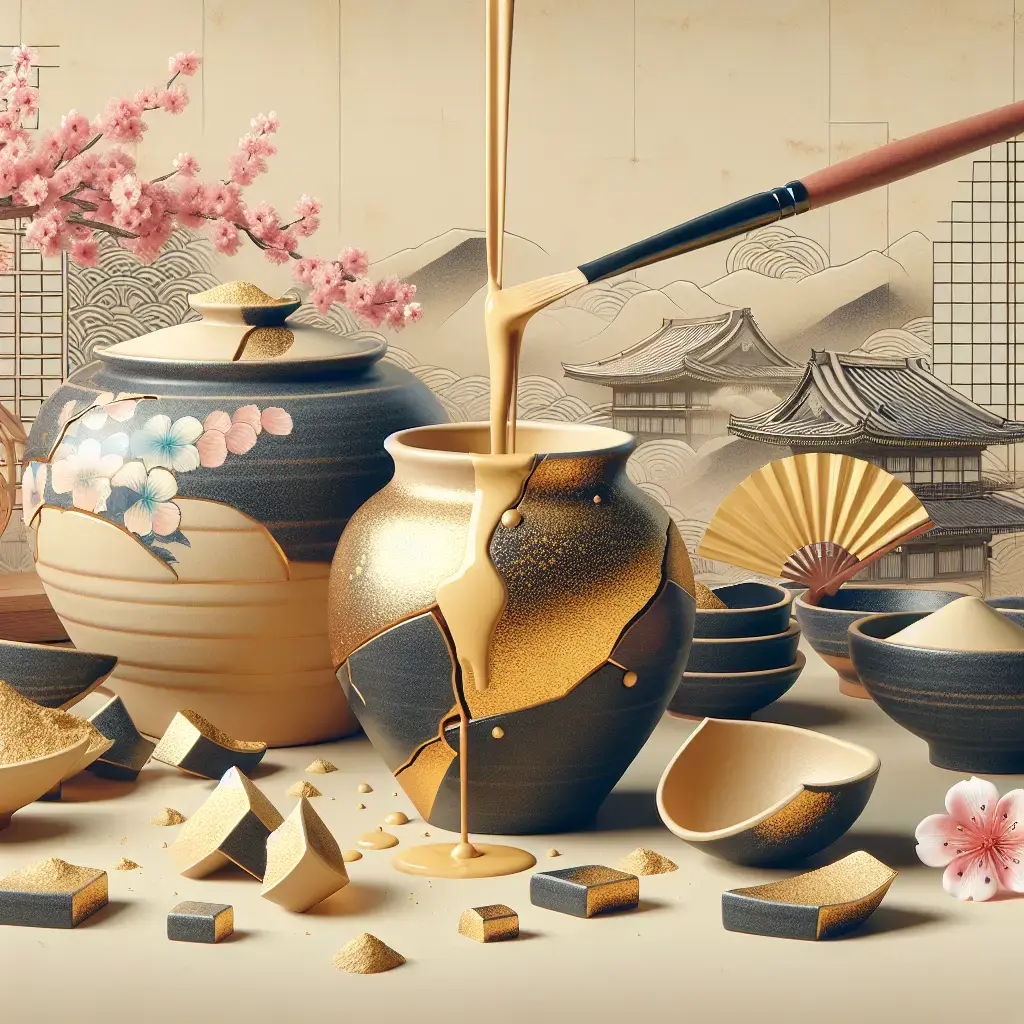
At its core, kintsugi involves repairing broken pottery with lacquer dusted or mixed with powdered gold, silver, or platinum. This practice is deeply rooted in the principles of wabi-sabi, which finds beauty in imperfection, transience, and incompleteness. By applying these principles to our lives, we are invited to see our flaws and cracks not as defects but as unique features that contribute to our individual beauty and resilience.
The kintsugi philosophy teaches us that life's challenges and imperfections are not only inevitable but can be highlighted as opportunities for growth and transformation. By embracing imperfection, we learn to value our own journeys and appreciate the stories behind our scars. This mindset fosters self-acceptance and encourages us to live mindfully, finding grace in the imperfections that make us human.
As students prepare for the academic year, there's a growing emphasis on selecting stationery that aligns with personal values. The recent article "10 Essential Back-To-School Stationery Picks for High School and College Students" highlights how efficient and well-designed stationery can help students reach their utmost potential. This concept parallels the kintsugi philosophy by emphasizing the importance of tools that reflect one's journey and individuality.
Consider how a student might incorporate kintsugi symbolism into their academic life. For instance, using stationery with kintsugi-inspired designs could serve as a daily reminder that mistakes and setbacks are part of the learning process. By adopting this mindset, students can approach their studies with resilience and an appreciation for their personal growth journey.
Kintsugi and Mindfulness: A Perfect Pairing
The principles of kintsugi seamlessly intertwine with mindfulness practices, encouraging individuals to be present and fully engage with their current experiences. This alignment is particularly relevant in today's society, where stress and anxiety are prevalent concerns.
Mindfulness involves being aware of our thoughts and feelings without judgment, creating space for acceptance and self-compassion. Similarly, kintsugi invites us to accept our imperfections and view them as integral parts of our identity. By practicing mindfulness in conjunction with kintsugi, we cultivate an environment where personal growth is nurtured through acceptance rather than rejection of our perceived flaws.
A study published in the Journal of Positive Psychology found that individuals who practiced mindfulness reported higher levels of self-acceptance and emotional well-being. By embracing both mindfulness and kintsugi, we open ourselves to new perspectives on healing and self-acceptance.
The beauty of kintsugi lies not only in its aesthetic appeal but also in its practical applications across various aspects of life. Here are some ways to incorporate kintsugi principles into your daily routine:
Practical Applications: Kintsugi in Everyday Life
1. Journaling: Use a kintsugi-themed journal to reflect on your day, noting moments of vulnerability and growth. Writing down your thoughts can provide clarity and insight into your personal journey.
2. Decorative Art: Display kintsugi-inspired art in your home or workspace to serve as a constant reminder of the beauty in imperfection.
3. Mindful Practices: Incorporate mindfulness exercises into your routine, such as meditation or deep breathing, while contemplating the symbolism of kintsugi.
4. Creative Projects: Engage in creative endeavors that embrace imperfection, such as painting or pottery, allowing yourself to explore without the pressure of achieving perfection.
By integrating these practices into your life, you can foster a deeper understanding of kintsugi symbolism and its impact on personal growth and healing.
Life is filled with trials and tribulations, each presenting an opportunity for growth and transformation. The metaphorical power of kintsugi extends beyond repairing physical objects to encompass healing emotional wounds.
A groundbreaking study by Harvard University highlighted the psychological benefits of embracing imperfection. Participants who adopted a kintsugi-inspired mindset reported increased resilience and improved coping mechanisms when faced with life's challenges.
Consider how this philosophy can be applied to personal relationships. Just as broken pottery can be repaired with gold lacquer, relationships can be mended through open communication and acceptance of each other's imperfections. By viewing challenges as opportunities for growth, we create stronger bonds built on mutual understanding and respect.
Conclusion: Embracing the Kintsugi Philosophy for Personal Growth
The kintsugi philosophy offers profound insights into embracing imperfection as a path to personal growth and resilience. By applying its principles, we can transform our perception of flaws and challenges into opportunities for healing and self-discovery. Here's a recap of the key takeaways:
- Beauty in Imperfection: Kintsugi encourages us to view our imperfections as unique features that contribute to our individuality and resilience.
- Mindfulness and Self-Acceptance: Integrating mindfulness with kintsugi fosters acceptance, allowing us to engage with our experiences non-judgmentally.
- Practical Applications: Whether through journaling, art, or mindful practices, incorporating kintsugi into daily life enhances personal growth.
- Metaphor for Relationships: Just as pottery can be repaired, relationships can be strengthened by embracing imperfections through open communication.
The transformative power of kintsugi lies in its ability to shift our mindset from seeking perfection to celebrating authenticity. By doing so, we pave the way for a more fulfilling and meaningful life journey.
I invite you to reflect on how you might incorporate the kintsugi philosophy into your life. Perhaps you'll find inspiration in using kintsugi-themed stationery or adopting mindful practices that honor your journey. Share your thoughts and experiences on how embracing imperfection has influenced your life. Let's create a community where we celebrate our unique paths together.
Thank you for exploring this journey of self-acceptance and growth. May you find strength and beauty in your imperfections, just as kintsugi transforms broken pieces into art.

Leave a Comment