
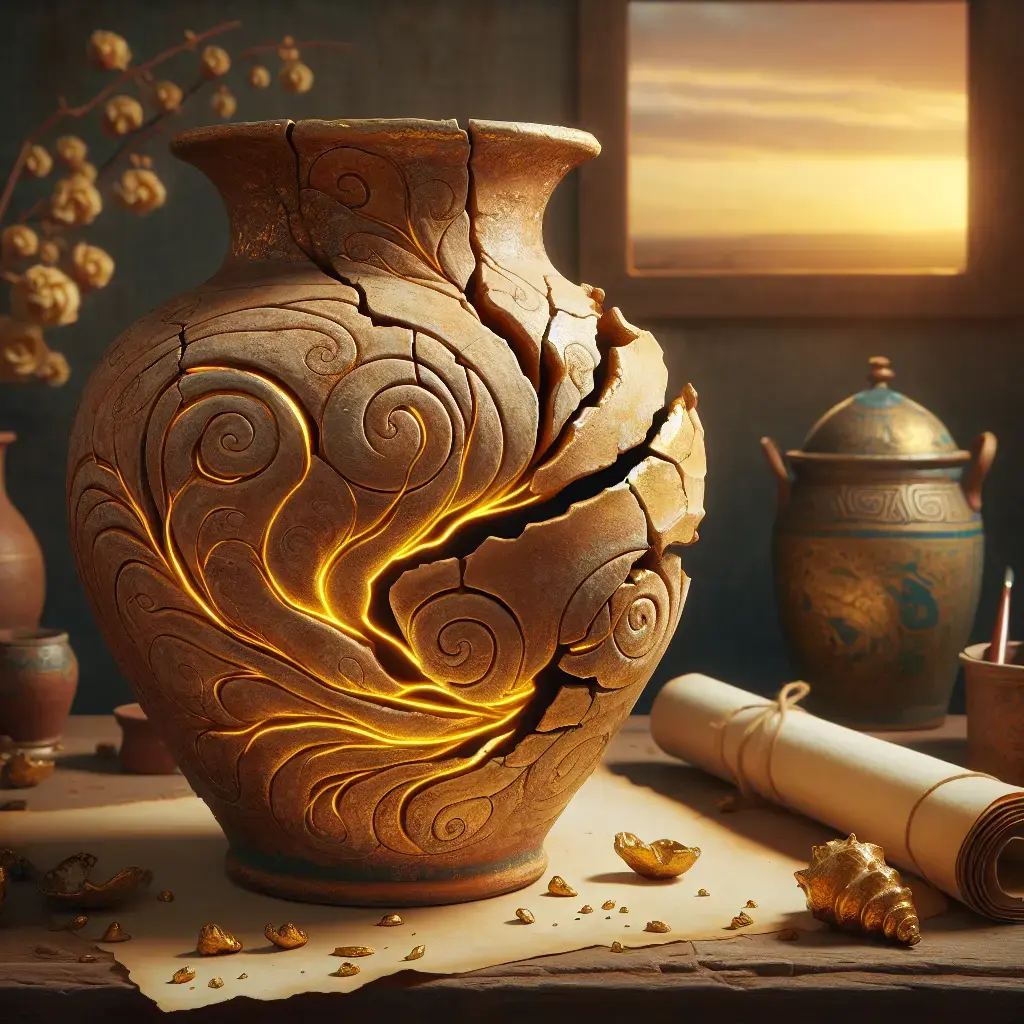
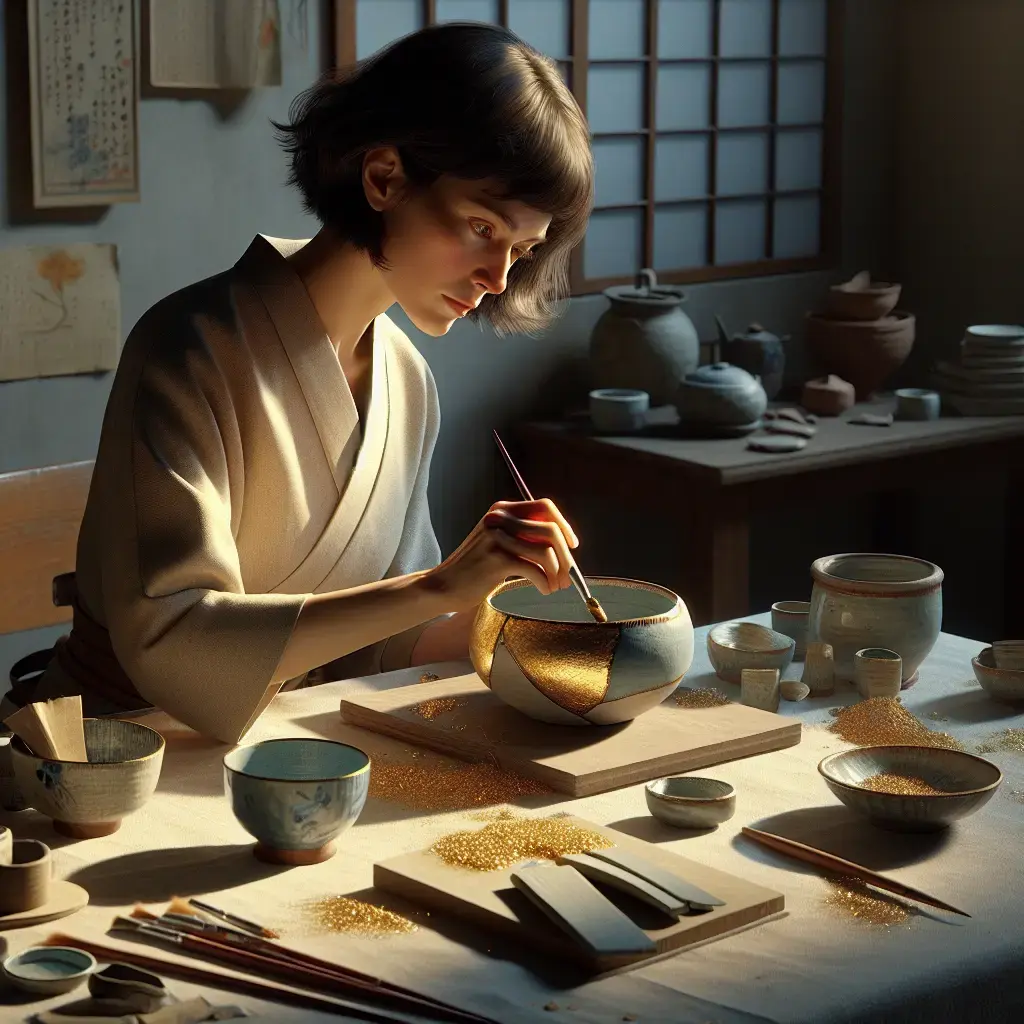
In the realm of modern craftsmanship, Kintsugi art is experiencing a remarkable resurgence, captivating artists and entrepreneurs alike with its unique blend of tradition and innovation. This ancient Japanese pottery repair technique, which emphasizes embracing flaws and celebrating imperfections, is being reimagined as a form of creative expression in Kintsugi. Contemporary Kintsugi artists are breathing new life into this time-honored practice, blending sustainable craftsmanship with modern design to create pieces that tell stories of resilience and transformation.
As the art of Kintsugi gains popularity, so too do Kintsugi workshops that teach enthusiasts the intricate techniques involved in this innovative pottery restoration. These workshops not only offer an introduction to Japanese craftsmanship revival but also explore the business potential of Kintsugi in today's art market. Entrepreneurs are finding Kintsugi business opportunities abound, from creating bespoke artistic pottery repairs to developing Kintsugi-inspired products that appeal to consumers seeking authenticity and sustainability.
The value of Kintsugi in business lies in its ability to merge creativity with practicality, offering a new avenue for artistic exploration and commercial viability. As Kintsugi market trends continue to evolve, its influence can be seen in the growing interest in Kintsugi for entrepreneurs eager to integrate these principles into their ventures. With its emphasis on innovation and artistry, Kintsugi offers an inspiring model for sustainable and creative business practices.
As we delve deeper into the world of Kintsugi and creativity, we will explore its transformative power in contemporary art and design, unveiling the myriad ways it can enrich our lives and inspire new business paradigms.
In the ever-evolving landscape of modern craftsmanship, Kintsugi art stands out as a profound symbol of creativity and resilience. This ancient Japanese pottery repair technique has transcended its traditional roots, becoming a canvas for contemporary artists who blend sustainability with innovation to create meaningful works. At its core, Kintsugi embodies a philosophy that celebrates flaws and imperfections, transforming them into opportunities for creative expression.
Kintsugi as a Creative Expression in Modern Craftsmanship
Kintsugi, which literally means "golden joinery," is a practice that involves repairing broken pottery with lacquer mixed with powdered gold, silver, or platinum. Instead of disguising the breaks, the process highlights them, creating intricate patterns that tell the story of the piece's history and renewal. This art form resonates deeply with modern audiences who appreciate its metaphorical message—embracing imperfection and valuing resilience.
In recent years, contemporary Kintsugi artists have taken this traditional method and infused it with modern design sensibilities. According to a 2024 report by Yanko Design, this shift is evident in the way artists are integrating Kintsugi techniques into everyday objects beyond pottery. By applying these principles to diverse materials and designs, artists are creating unique pieces that speak to today's aesthetic values while honoring traditional Japanese craftsmanship.
As the art of Kintsugi garners attention, workshops teaching these techniques have become increasingly popular. These sessions serve as a bridge between tradition and modernity, offering participants hands-on experience in Japanese pottery repair while exploring the broader implications of creative expression in Kintsugi. Not only do these workshops educate individuals about the intricate processes involved, but they also present Kintsugi business opportunities by highlighting its commercial viability.
For instance, many entrepreneurs are using insights gained from these workshops to develop Kintsugi-inspired products that appeal to consumers seeking authenticity and sustainability. This trend is part of a larger movement towards sustainable craftsmanship that emphasizes the value of Kintsugi in business. The ability to merge creativity with practicality makes Kintsugi an attractive model for those looking to innovate within the art market.
Case Studies: Contemporary Artists Leading the Way
The impact of contemporary Kintsugi artists is exemplified through various case studies. One notable example is that of artist Tomomi Kamoshita, who has been recognized for her innovative approach to blending traditional Kintsugi techniques with modern design elements. By incorporating unexpected materials like glass and ceramics into her work, she creates pieces that challenge conventional notions of repair and restoration.
Similarly, the work of David Pike, another contemporary artist, highlights the potential of Kintsugi in contemporary art. Pike's projects often feature large-scale installations that explore themes of transformation and renewal, using the visual language of Kintsugi to comment on societal issues such as environmental degradation and cultural preservation. These artists illustrate how the art of Kintsugi can be a powerful medium for storytelling and social commentary.
Beyond its artistic applications, Kintsugi presents significant business potential, particularly for entrepreneurs seeking to integrate its principles into their ventures. As interest in sustainable craftsmanship grows, so does demand for products that incorporate Kintsugi techniques. This trend is evident in various sectors, from fashion to home decor, where consumers are increasingly drawn to items that embody the essence of Japanese craftsmanship revival.
The burgeoning market for artistic pottery repair has led to a proliferation of businesses specializing in bespoke Kintsugi services. These enterprises cater to a clientele that values uniqueness and durability, offering repairs that not only restore function but also enhance aesthetic appeal. Moreover, the influence of Kintsugi market trends is reflected in collaborations between artists and brands aiming to create limited-edition collections that emphasize creativity and exclusivity.
Rhetorical Engagement: What Does Kintsugi Mean to You?
As we consider the growing influence of Kintsugi art in modern craftsmanship, it prompts us to reflect on our own relationship with imperfection and renewal. What stories could your broken objects tell if they were transformed through Kintsugi? How might this philosophy inspire new ways of thinking about creativity and resilience in your own life or business?
By posing these questions, we engage readers not just intellectually but emotionally, inviting them to explore the transformative power of Kintsugi beyond its aesthetic appeal.
While I am not tasked with providing a conclusion here, it is clear that the journey of Kintsugi continues to evolve. As contemporary artists and entrepreneurs explore its possibilities, this ancient art form remains a vital source of inspiration and innovation in today's world of modern craftsmanship.
In conclusion, Kintsugi art emerges as a remarkable fusion of tradition and modernity, offering profound insights into creativity and resilience. Key points highlighted in this exploration include:
Philosophy and Technique: Kintsugi's essence lies in its "golden joinery" technique, which transforms flaws into unique expressions of history and renewal, resonating deeply with modern values of authenticity and imperfection.
Modern Adaptations: Contemporary artists are redefining Kintsugi by incorporating it into everyday objects, pushing the boundaries of traditional pottery repair through innovative design and material choices.
Educational and Business Opportunities: Kintsugi workshops not only preserve ancient techniques but also open avenues for entrepreneurial ventures focused on sustainable craftsmanship and artistic pottery repair services.
Influential Artists: Visionaries like Tomomi Kamoshita and David Pike illustrate the power of Kintsugi in contemporary art, using it to address themes of transformation, environmental issues, and cultural preservation.
Market Potential: The growing demand for Kintsugi-inspired products underscores its commercial viability across diverse sectors, appealing to consumers who value uniqueness and sustainability.
As we ponder the enduring legacy of Kintsugi, let's reflect on how its philosophy can inspire our personal and professional lives. What broken pieces in your life could be transformed through this art? How might embracing imperfections lead to greater resilience and creativity?


Leave a Comment