
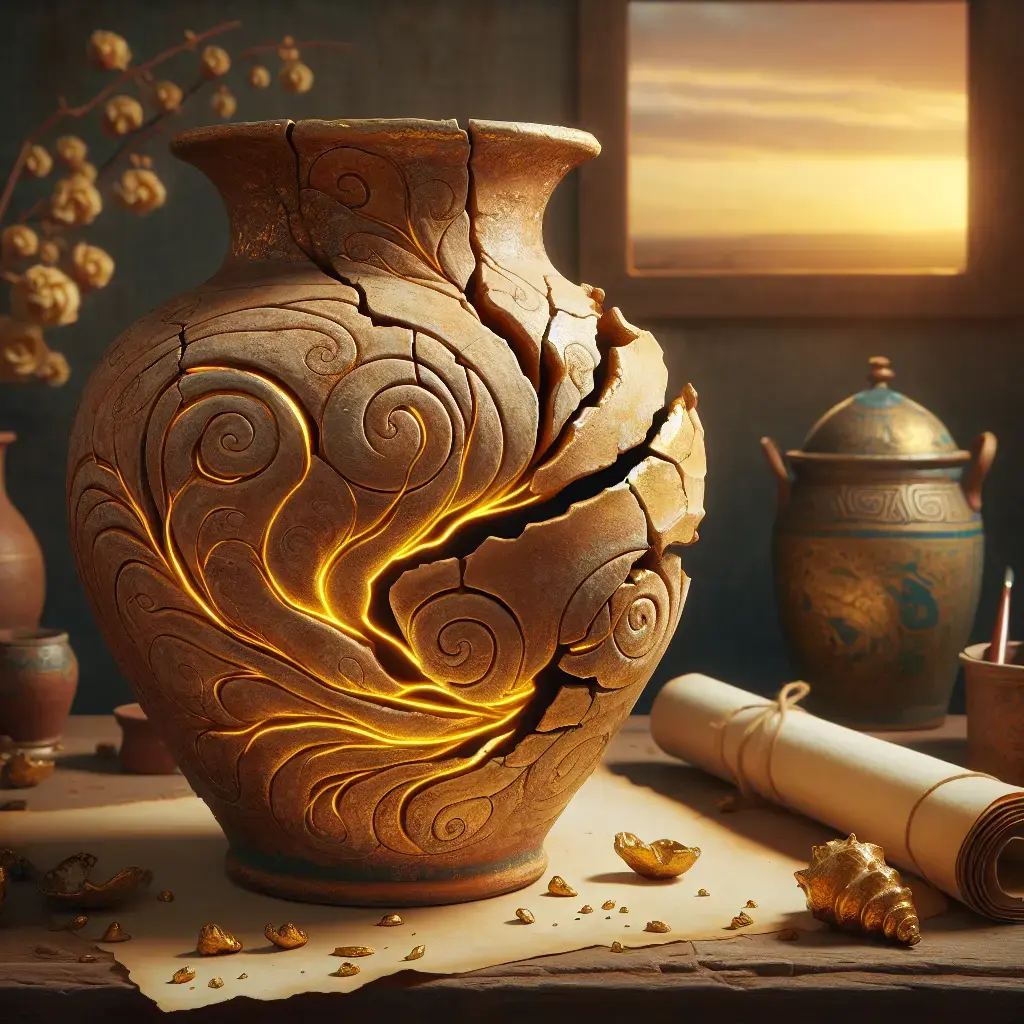

In the hustle and bustle of modern life, the ancient Japanese art of repair, known as Kintsugi, has emerged as a profound metaphor and practice for mindfulness and meditation. Rooted in the philosophy of embracing imperfections, Kintsugi involves mending broken pottery with lacquer mixed with powdered gold, silver, or platinum. This practice is not just about restoring physical objects but also about healing and embracing our own fractures, making it an ideal complement to mindfulness practices.
Kintsugi mindfulness offers a unique pathway to inner peace, inviting practitioners to engage in meditation with Kintsugi as they reflect on life's brokenness and beauty. This Japanese pottery art mindfulness highlights the concept of finding beauty in imperfection, encouraging us to accept and celebrate our flaws. As we delve into Kintsugi meditation practices, the art becomes a metaphor for self-acceptance and resilience, promoting healing through Kintsugi techniques.
The benefits of Kintsugi in meditation extend beyond the artistic realm; they encompass spiritual growth and stress relief. By integrating Kintsugi philosophy in meditation, practitioners experience a transformative journey that fosters a deeper connection with themselves and their surroundings. This mindful art practice serves as a potent educational guide to Kintsugi, revealing its potential to enhance meditation experiences.
As we explore the intersection of Kintsugi and mindfulness education, we uncover how this ancient art can enrich spiritual practices and provide therapeutic relief. Join us as we journey through the art of Kintsugi in meditation, discovering the profound impact of pottery repair mindfulness on our mental and spiritual well-being.
In recent years, the ancient Japanese art of Kintsugi has found a renewed significance in mindfulness and meditation practices. This unique blend of art and philosophy offers a compelling approach to self-reflection and personal growth, encouraging individuals to embrace imperfections and find beauty in life's inevitable fractures. Let's explore how Kintsugi is transforming modern mindfulness practices.
The Role of Kintsugi in Mindfulness and Meditation Practices
At the heart of Kintsugi mindfulness is the concept of wabi-sabi, which celebrates imperfection and transience. This philosophy invites practitioners to view their flaws not as defects but as integral parts of their personal narrative. By engaging in meditation with Kintsugi, individuals are encouraged to reflect on their brokenness with compassion, turning perceived weaknesses into sources of strength.
In a recent study published in Psychology Today, researchers explored how the principles of Kintsugi can enhance psychological resilience. Participants who integrated Kintsugi into their meditation practices reported increased levels of self-acceptance and a more profound sense of peace.
Kintsugi meditation practices involve both physical engagement with pottery repair and a metaphorical reflection on one's life experiences. Practitioners might start by selecting a broken piece of pottery, then methodically repair it using traditional techniques. This process serves as a tangible expression of healing, where each stroke of gold-lacquered brush echoes acceptance and mindfulness.
Mindfulness through Kintsugi can also be practiced through guided visualizations. These meditative journeys often involve imagining oneself as a piece of pottery, gradually being mended and restored to wholeness. Such practices highlight the concept that healing is not about erasing scars but embracing them.
Therapeutic and Spiritual Dimensions
The benefits of Kintsugi in meditation extend far beyond stress relief. As an art form, it serves as a powerful vehicle for art therapy, allowing individuals to process emotions non-verbally through the act of creation. According to a report by the American Art Therapy Association, incorporating Kintsugi into therapy sessions has shown promising results in reducing anxiety and depression symptoms.
Additionally, the art of Kintsugi in meditation finds resonance in spiritual practices. For many, it represents a journey towards enlightenment, where acknowledging one’s imperfections leads to spiritual awakening. The intersection of Kintsugi and mindfulness education in spiritual settings offers a holistic approach to personal development.
As we delve deeper into the Japanese repair art and meditation, one might wonder: How can the simple act of mending broken pottery hold such profound implications for personal growth? Perhaps it's because, in its essence, Kintsugi reminds us that true beauty lies not in perfection but in authenticity and resilience.
By embracing Kintsugi philosophy in meditation, we open ourselves to a transformative journey—one that acknowledges life's imperfections as opportunities for growth rather than setbacks. Whether through hands-on workshops or virtual experiences, the art of Kintsugi invites us all to reflect on our own life narratives with compassion and grace.
In integrating these insights into your meditation practice, you engage not just with an ancient art form but with a timeless philosophy that speaks to the very heart of human experience.
In conclusion, the ancient art of Kintsugi has seamlessly woven itself into modern mindfulness and meditation practices, offering a unique perspective on self-acceptance and personal growth. Here's a recap of the key points discussed:
- Embracing Imperfections: At the core of Kintsugi mindfulness is the philosophy of wabi-sabi, which encourages embracing life's imperfections as valuable elements of one's personal story.
- Mindful Practices: Engaging in Kintsugi meditation involves both the physical act of pottery repair and metaphorical reflection, fostering healing and acceptance.
- Therapeutic Benefits: Beyond stress relief, Kintsugi serves as a powerful tool in art therapy, aiding in the reduction of anxiety and depression by transforming perceived weaknesses into strengths.
- Spiritual Connections: The art form resonates with spiritual practices, guiding individuals toward enlightenment by recognizing and embracing their imperfections.
- Real-World Applications: Workshops and mental health settings utilize Kintsugi to teach patience, acceptance, and resilience through practical engagement and visualization exercises.
As we embrace Kintsugi's philosophy in our lives, it invites us to view imperfections as opportunities for growth rather than obstacles. This timeless art form encourages a journey of reflection and resilience, ultimately celebrating the beauty of authenticity.


Leave a Comment