
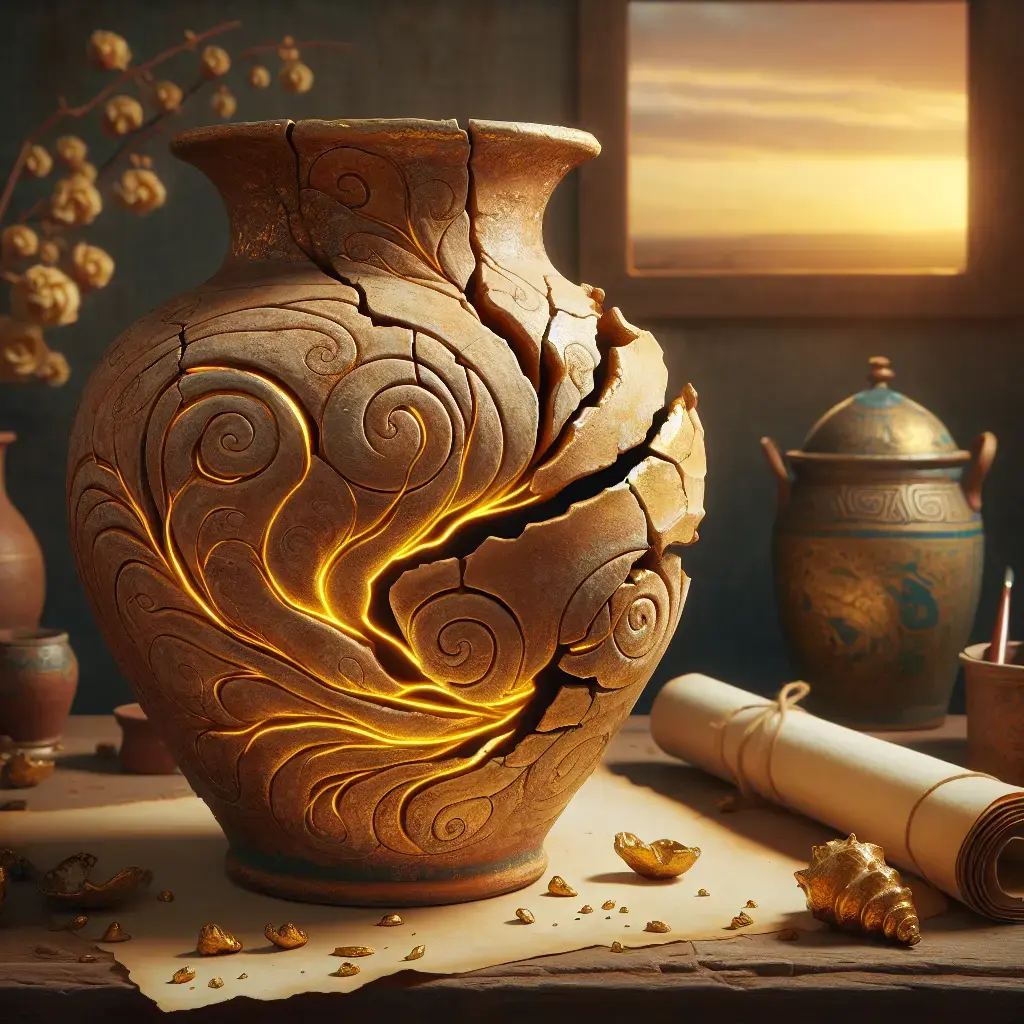

In a world increasingly conscious of environmental impact, the ancient Japanese art of Kintsugi offers a profound lesson in sustainability and eco-conscious craftsmanship. This traditional technique, which beautifully transforms broken pottery into unique masterpieces, exemplifies the principles of repair and reuse central to sustainable art practices. As more artists and enthusiasts turn to eco-friendly Kintsugi, the environmental benefits of this craft are becoming widely recognized. By embracing Kintsugi pottery repair, we not only preserve the intrinsic value of objects but also engage in green art techniques that align with a zero waste ethos. This practice is a testament to sustainable Japanese art, showcasing how traditional methods can contribute to modern environmental conservation.
Kintsugi's philosophy and environment-focused approach resonate deeply within the context of the circular economy. Instead of discarding broken items, Kintsugi encourages us to see potential in imperfections, thus promoting sustainable craftsmanship. The environmental impact of this practice is significant, offering a pathway toward eco-friendly pottery repair that reduces waste and honors cultural heritage. Moreover, Kintsugi opinions highlight how this art form symbolizes resilience and transformation, making it a compelling model for sustainable pottery techniques.
As the world seeks innovative solutions for environmental conservation, Kintsugi stands out as an exemplary model of sustainable art. The intersection of tradition and sustainability found in Kintsugi invites both artists and environmentalists to explore its potential. Dive deeper into how this remarkable practice contributes to the circular economy and discover the transformative power of Kintsugi in fostering a more sustainable future.
The Environmental Benefits of Kintsugi in Sustainable Art Practices
In recent years, the concept of eco-friendly craftsmanship has surged to the forefront of artistic discussions, with the Japanese art of repairing pottery, known as Kintsugi, leading the charge. This ancient method embodies the principles of repair and reuse, integral to sustainable art practices, and is increasingly recognized for its substantial environmental benefits. As more artists and environmentalists explore Kintsugi's potential, it becomes clear how this practice contributes to a circular economy and aligns with zero waste art practices.
The Philosophy Behind Kintsugi and Sustainability
At its core, Kintsugi celebrates the philosophy of embracing imperfections. By repairing broken pottery with lacquer mixed with powdered gold, silver, or platinum, this technique transforms perceived flaws into features of beauty. This philosophy promotes sustainable craftsmanship by valuing repair over replacement, thus significantly reducing waste. As a result, Kintsugi not only preserves the cultural heritage embedded in traditional Japanese art but also fosters a mindset aligned with contemporary environmental conservation efforts.
Embracing Imperfections: The Kintsugi philosophy encourages us to appreciate the history and resilience of objects. This perspective is increasingly relevant today as consumers seek sustainable pottery techniques that reflect personal narratives and conscious living.
Kintsugi and the Circular Economy
Kintsugi’s approach fits seamlessly into the broader context of the circular economy. Instead of discarding broken items, this technique highlights the potential for creative reuse. By promoting repair and reuse in Kintsugi, artisans contribute to eco-conscious art movements that reduce the demand for new materials and decrease environmental strain.
Reducing Material Waste: One of the significant environmental impacts of Kintsugi is its role in reducing material waste. According to a 2023 report by Green Art Solutions, embracing traditional repair methods like Kintsugi can decrease pottery waste by up to 30% annually in urban areas. This reduction is crucial in mitigating landfill overflow and lowering carbon footprints associated with pottery production.
Eco-Friendly Kintsugi: A Modern Green Art Technique
Incorporating Kintsugi into contemporary art practices allows for innovative eco-friendly pottery repair methods that maintain artistic integrity while championing sustainability. Artists are increasingly exploring how this traditional Japanese art can be adapted to modern design sensibilities without compromising its environmental benefits.
Case Study: Tokyo Art Collective: In 2022, the Tokyo Art Collective launched a project integrating Kintsugi into public installations. The initiative aimed to raise awareness about sustainable Japanese art practices and inspire urban populations to reconsider waste. The project successfully engaged local communities, encouraging them to participate in workshops that demonstrated Kintsugi techniques and highlighted their environmental significance.
The Cultural Resonance of Kintsugi in Environmental Conservation
Kintsugi’s cultural roots deepen its resonance as a model for sustainable art practices. Its historical significance amplifies its modern application as an eco-conscious art form that aligns with global sustainability goals.
Cultural Heritage Preservation: By preserving traditional methods through Kintsugi pottery repair, we ensure the continuity of cultural narratives essential for identity and history. This preservation effort supports environmental conservation by reducing reliance on mass-produced items and encouraging community engagement in sustainable practices.
Engaging with Kintsugi: A Call to Action for Artists and Environmentalists
As we consider how sustainable craftsmanship in Kintsugi can be further integrated into our lives, it’s essential to explore active participation strategies. How can artists and environmental enthusiasts collaborate to enhance the reach and impact of this technique?
Workshops and Educational Programs: Hosting workshops focused on eco-friendly Kintsugi techniques can educate broader audiences about sustainable craftsmanship. Programs that integrate Kintsugi opinions with practical applications demonstrate the tangible environmental benefits of adopting these practices.
Collaborative Projects: Initiatives like artist residencies or joint exhibitions can highlight how Kintsugi’s environmental impact serves as a catalyst for change within the arts community.
By understanding and harnessing the environmental benefits of Kintsugi, we can better appreciate its dual role as a keeper of cultural heritage and a pioneer in modern sustainable practices. As this art form continues to gain traction worldwide, it offers valuable lessons in resilience and transformation—principles that are crucial as we strive for a more sustainable future.
Conclusion
In conclusion, the timeless art of Kintsugi offers not only aesthetic beauty but also significant environmental benefits, making it a vital component of sustainable art practices. Through its philosophy and practice, Kintsugi teaches us to embrace imperfections and transform them into features of beauty, thus reducing waste and fostering a culture of repair over replacement. This approach aligns seamlessly with the circular economy, emphasizing the importance of reuse and minimizing material waste—a sentiment supported by reports indicating a potential 30% reduction in pottery waste annually when adopting such techniques.
Key takeaways include:
- Embracing Imperfections: Encouraging a shift in consumer mindset towards appreciating resilience and history in objects.
- Reducing Material Waste: Decreasing environmental strain by limiting the demand for new materials.
- Modern Adaptation: Integrating Kintsugi into contemporary practices without losing its environmental benefits.
- Cultural Preservation: Maintaining cultural heritage while promoting sustainable practices.
- Active Engagement: Utilizing workshops and collaborative projects to expand Kintsugi's impact.
As we continue to explore and integrate Kintsugi into our lives and art, let us recognize its dual role in preserving cultural heritage and pioneering sustainable methods. This art form not only teaches resilience and transformation but also challenges us to contribute to a more sustainable future. I invite you to share your thoughts and experiences with Kintsugi or other eco-friendly art practices in the comments below. Let's inspire each other to embrace sustainable craftsmanship and rethink how we engage with art and the environment.


Leave a Comment