
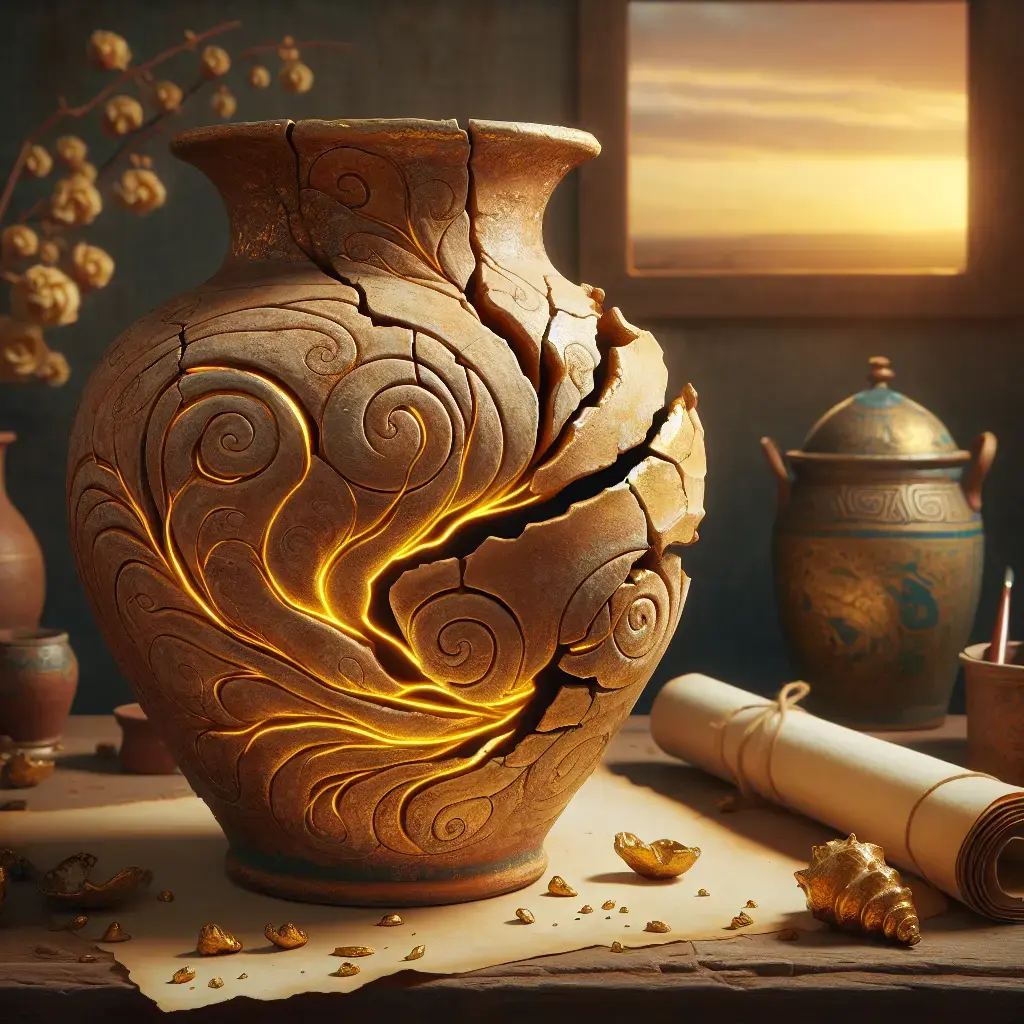
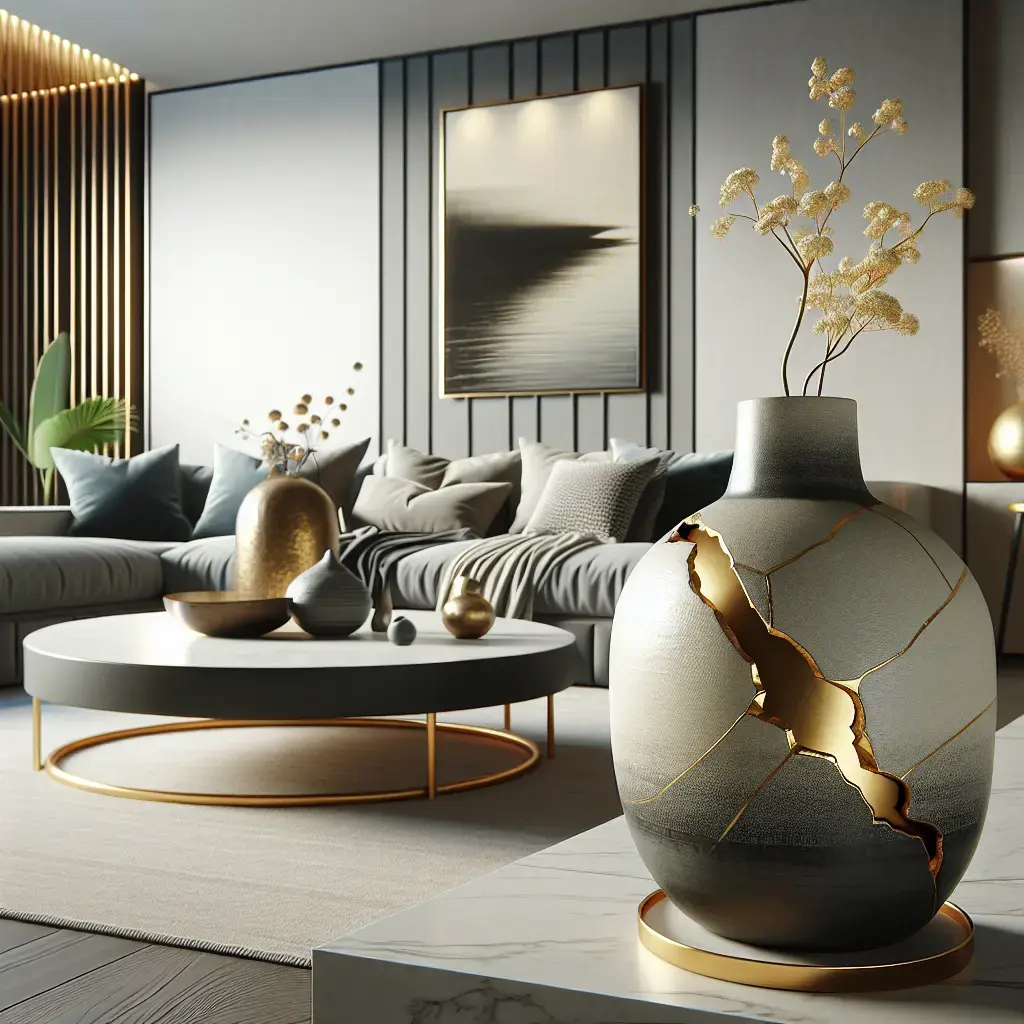
In the ever-evolving world of interior design, the Japanese art of Kintsugi has emerged as a compelling influence, infusing spaces with a touch of elegance and cultural depth. Originally a traditional Japanese pottery repair method, Kintsugi celebrates imperfection by highlighting cracks and breaks with gold joinery design, transforming flaws into unique artistic expressions. This philosophy has gracefully transitioned into contemporary Kintsugi trends, where the principles of Kintsugi and wabi-sabi merge, offering a refreshing take on minimalism and sustainable interior design.
The allure of Kintsugi in interior design lies in its ability to integrate Japanese aesthetics in interiors, creating spaces that are not only visually stunning but also imbued with profound meaning. Modern Kintsugi techniques have inspired designers to craft Kintsugi-inspired furniture and decor that reflect the beauty of imperfection and resilience. By embracing these principles, contemporary spaces can capture the essence of Kintsugi home decor, providing unique home design ideas that resonate with the growing desire for authenticity and sustainability.
As Kintsugi philosophy in design gains momentum, enthusiasts and professionals alike are exploring DIY home projects to incorporate this artistic pottery repair method into their spaces. The cultural influence of Kintsugi extends beyond aesthetics, fostering a deep appreciation for the narratives embedded in each piece. This movement aligns perfectly with contemporary art trends, where imperfection is celebrated and integrated into bold, thoughtful designs.
As we delve deeper into the world of Kintsugi and contemporary art, we'll explore how these timeless techniques are redefining interiors, offering innovative ways to harmonize beauty and functionality in our homes.
Kintsugi in Contemporary Interior Design Trends
The Rise of Kintsugi in Modern Interiors
Kintsugi, the traditional Japanese art of pottery repair, has made a fascinating transition into the world of contemporary interior design. By embracing imperfections and highlighting them with gold joinery design, Kintsugi not only restores but elevates the aesthetic value of objects. This age-old practice has evolved into modern Kintsugi techniques that resonate with current design philosophies, especially those focusing on minimalism and sustainability.
In recent years, the integration of Kintsugi interior design has become a significant trend. Designers have started to apply the principles of this Japanese art form beyond pottery, exploring how its core philosophies can enhance interior spaces. The appeal lies in its celebration of imperfection, a concept closely tied to the Japanese aesthetic of wabi-sabi. This philosophy embraces natural wear and tear, valuing authenticity and life’s imperfections.
Incorporating Kintsugi Elements
Furniture and Decor: Kintsugi-inspired furniture pieces are becoming popular in modern interiors. Items such as tables with gold-lined cracks or vases repaired using Kintsugi techniques serve as focal points in a room, reflecting the beauty of resilience and history.
Wall Art and Installations: Designers are also creating wall art that mimics Kintsugi patterns, using materials like ceramics or even incorporating LED lighting to highlight these artistic repairs. This trend aligns with the growing appreciation for Japanese aesthetics in interiors, which emphasizes simplicity, functionality, and connection with nature.
Sustainable Design and Kintsugi
One of the most compelling aspects of integrating Kintsugi in interiors is its alignment with sustainable interior design principles. By repairing and reusing existing materials, rather than discarding them, Kintsugi promotes a more sustainable approach to consumption. This resonates strongly with today's eco-conscious consumers who are seeking ways to reduce waste.
Reclaimed Materials: Incorporating reclaimed wood or recycled metal in furniture design echoes the resourcefulness inherent in Kintsugi pottery repair. These materials are not only sustainable but also add character and history to pieces, enhancing their narrative quality.
Mindful Consumption: Kintsugi philosophy in design encourages consumers to value items for their stories and longevity rather than constantly seeking newness. This shift in perspective supports a more mindful approach to consumption and design.
Cultural Influence and Modern Interpretations
The cultural influence of Kintsugi extends beyond aesthetics, fostering an appreciation for craftsmanship and history. In modern interior design, this translates into spaces that not only look beautiful but also tell stories and evoke emotion.



Leave a Comment