

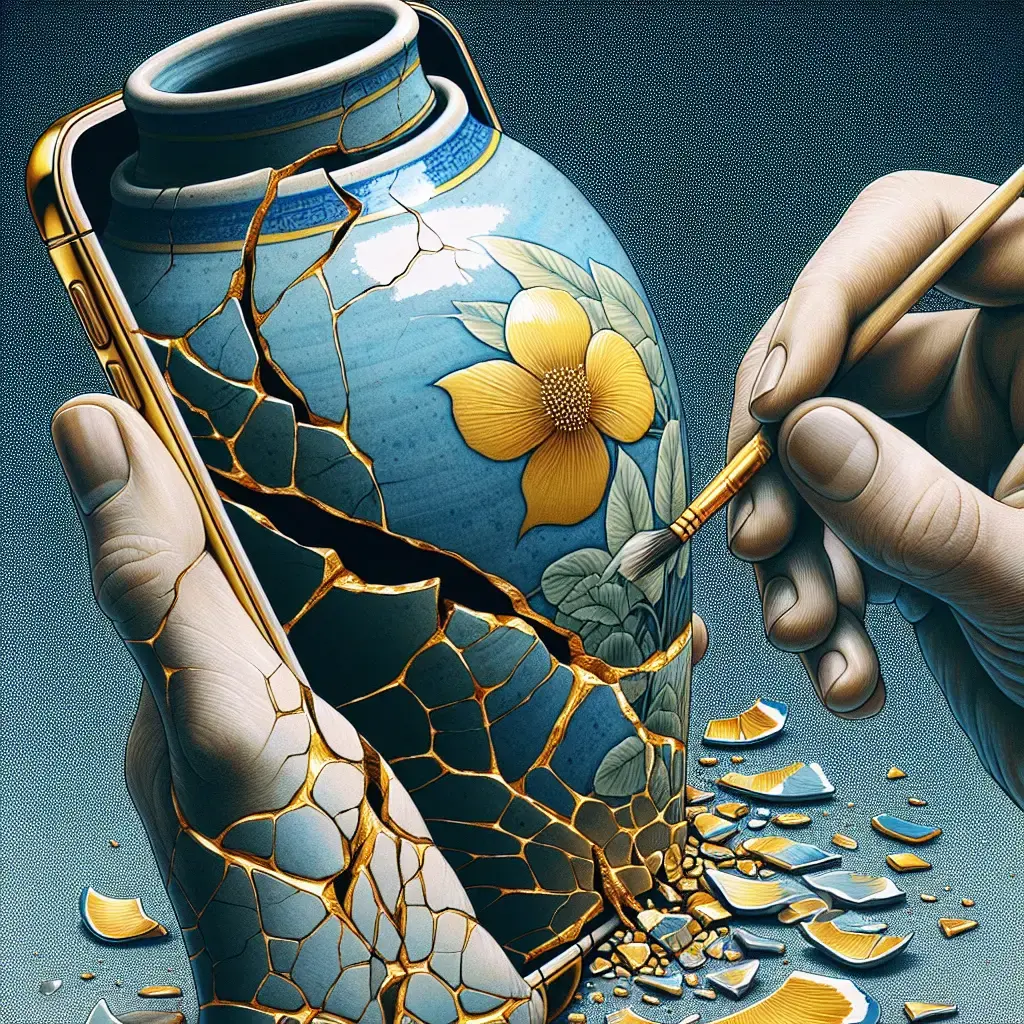
In the dynamic realm of art and design, where innovation often intersects with tradition, Kintsugi techniques are experiencing a remarkable resurgence. This ancient Japanese art of pottery repair not only restores broken items but also celebrates their history by infusing them with new life. Known for its signature gold repairs, Kintsugi embraces the philosophy that flaws and imperfections should be highlighted, not hidden. This perspective extends beyond traditional boundaries, influencing modern Kintsugi art and design practices.
Kintsugi, which translates to "golden joinery," is a traditional Japanese art of repairing broken pottery using lacquer mixed with powdered gold, silver, or platinum. This technique not only restores functionality but also transforms fractures into unique embellishments, celebrating the beauty of imperfection. The philosophy of Kintsugi aligns with the Japanese aesthetic of Wabi-Sabi, which finds beauty in the transient and imperfect aspects of life, challenging conventional ideas of perfection.
Modern adaptations of Kintsugi techniques extend far beyond their original application. As artists and designers explore innovative ways to integrate this philosophy into contemporary works, they are redefining the boundaries of Japanese art restoration.
Traditional methods are being revitalized with modern materials and technologies. Artists experiment with various metals and composite materials to enhance the durability and visual appeal of repairs. For instance, some artisans use resin infused with colored pigments to replicate the look of gold repairs while offering a wider palette for creative expression.
The principles of Kintsugi have found their way into various aspects of modern design, from fashion to furniture. In interior design, visible mending as a decorative element is evident in furniture and home accessories. Designers embrace exposed seams and cracks, creating pieces that celebrate history and uniqueness.
Case Study: Kintsugi in Sustainable Design
A compelling example of Kintsugi's influence in sustainability is its application in upcycling projects. By repairing broken items instead of discarding them, designers promote environmental consciousness and reduce waste. The Brooklyn-based design studio MUD Australia has integrated Kintsugi-inspired techniques into their sustainable practices by repairing ceramics with visible gold lines, encouraging consumers to appreciate the longevity and history of their products.
The influence of Kintsugi extends beyond tangible objects to inspire narratives in contemporary art. Artists use visible repair as a metaphor for resilience and transformation. This narrative approach resonates deeply in today's cultural context, where themes of recovery and renewal are prominent.
Example: Renowned artist Yoko Ono has incorporated Kintsugi philosophies in her installations, exploring themes of healing and reconciliation. Her work highlights the symbolic power of repair as an act of creation, drawing parallels between physical mending and emotional recovery.
As appreciation for Kintsugi grows, educational programs are emerging to teach both traditional techniques and modern applications. Workshops and online courses provide platforms for artists, designers, and enthusiasts to explore Kintsugi's creative potential. For example, CreativeLive offers courses that blend traditional techniques with modern design principles, providing participants hands-on experience in this timeless art form.
The Role of Kintsugi in Modern Aesthetic Trends
In contemporary design, the aesthetic appeal of Kintsugi lies in its ability to blend seamlessly with minimalist trends while adding layers of depth and meaning. The juxtaposition of simplicity with intricate gold repairs creates a dialogue between form and function that captivates viewers.
Fashion designers draw inspiration from Kintsugi to create garments that celebrate imperfections as unique design elements. The visible mending trend incorporates contrasting threads and patches, mirroring Kintsugi's philosophy by transforming flaws into focal points.
Example: Fashion brand Comme des Garçons has embraced this concept by incorporating visible stitching in their collections, challenging traditional notions of garment perfection.
The exploration of Kintsugi techniques in contemporary art and design reveals a harmonious blend of tradition and modernity, offering profound insights into our creative processes. Key themes emerge:
- Integration of Tradition and Innovation: Revitalizing age-old practices with modern materials transforms our perception of repair and imperfection.
- Sustainability and Environmental Consciousness: Incorporating Kintsugi techniques promotes sustainability by emphasizing repair over disposal.
- Narrative and Metaphor in Art: Visible repair serves as a metaphor for resilience, echoing recovery and transformation themes.
- Educational Opportunities: Growing appreciation for Kintsugi leads to educational programs blending traditional techniques with modern applications.
- Influence on Aesthetic Trends: Visible mending in fashion and interior design celebrates imperfections, challenging conventional perfection ideas.
Kintsugi's philosophy encourages us to see beauty in imperfection and find strength in transformation. It invites us to reimagine our creative endeavors by embracing the uniqueness of each piece we create, whether in art, design, or personal growth. As you embark on your creative journey, consider how Kintsugi principles might inspire you to approach challenges with renewed perspective and authenticity.
I invite you to share your thoughts on how Kintsugi has influenced your own creative practices or perspectives. Your insights can foster a deeper dialogue within our community, enriching our collective understanding of this timeless art form.


Leave a Comment